
Last updated September 25, 2026
DIY vs Professional ADU: The Pasadena Homeowner’s Decision Guide
California allows licensed homeowners to pull owner-builder permits, but here’s what the city of Pasadena won’t tell you at the counter: the plan check process requires structural engineering wet-stamps, Title 24 energy modeling, and MEP (mechanical, electrical, plumbing) drawings that effectively force you to hire licensed professionals anyway. In our experience since 2015, the homeowners who try to act as their own general contractor in Pasadena typically spend 15-25% more per square foot than those who hire a design-build firm - not less. This guide breaks down exactly what “DIY” means under California law, what it actually costs in Pasadena’s market, and how to structure a professional contract that protects your property title and your resale value. For related reading, see our ADU Cost Breakdown: The Pasadena Homeowner’s Reference for 2026.
Quick Answer
No permitted ADU in Pasadena is truly DIY. Owner-builder permits require you to certify personal liability for all work, waive certain consumer protections, and disclose that status to every future buyer. For most Pasadena homeowners, a single-contract design-build firm costs less all-in than owner-managed subcontracting, and it eliminates the permit liability that attaches to your property title. The only scenario where partial self-work makes sense is finishing a professionally built, fully inspected shell.
Table of Contents
- What “Owner-Builder” Really Means Under California Law
- What You Can Legally and Practically Do Yourself in Pasadena
- What Requires Licensed Contractors by Pasadena Code
- Real Cost Comparison: Owner-Managed vs. Design-Build in Pasadena
- Permit Liability, Insurance, and Resale Disclosure
- When Partial DIY Actually Makes Financial Sense
- How to Choose a Professional Contract Structure
What “Owner-Builder” Really Means Under California Law
The California Contractors State License Board (CSLB) allows property owners to apply for an owner-builder permit on their primary residence. This sounds like a path to savings. It is not a path to simplicity.
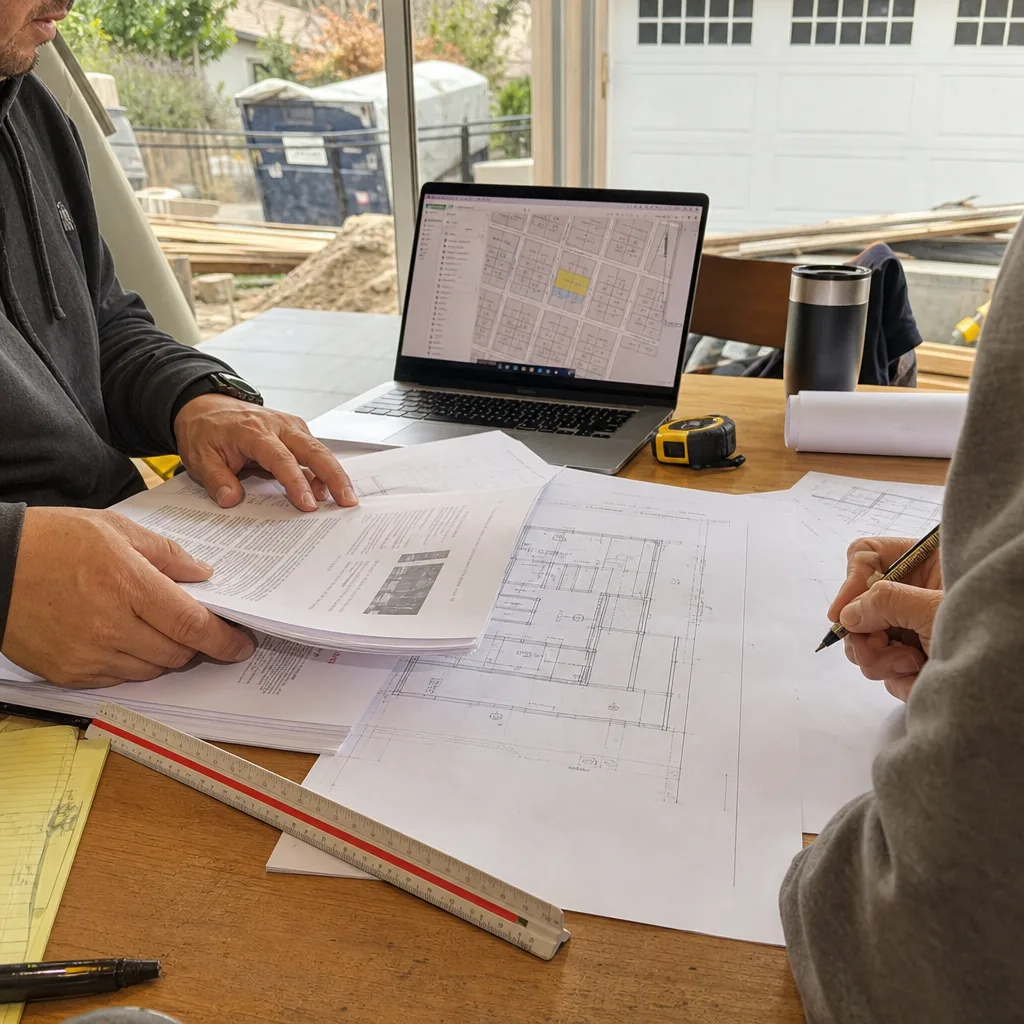
When you sign the owner-builder application, you certify under penalty of perjury that you will personally supervise all construction, that you understand you are not protected by the state’s consumer complaint process against licensed contractors, and that you assume full legal liability for defects, injuries, and code violations. The CSLB requires this certification precisely because owner-builders frequently underestimate the scope of what they are accepting.
In Pasadena specifically, the city adds another layer. The ADU Design & Permitting in Pasadena process requires:
- Structural calculations with a California-licensed engineer’s wet-stamp (seismic zone D, high wind exposure near the San Gabriel foothills)
- Title 24 energy compliance documentation, including CF-1R and CF-6R forms
- MEP plans showing load calculations, gas pipe sizing, and electrical service upgrades
- Fire sprinkler hydraulics if the main house has them, or documentation proving exemption
None of these can be produced by a homeowner without hiring licensed professionals. So the “DIY” model in Pasadena is not design-and-build-yourself. It is hire-everyone-separately-and-coordinate-them-yourself. That coordination is where the hidden costs accumulate.
We have reviewed hundreds of owner-builder permit files at Pasadena City Hall. The most common pattern: a homeowner hires an architect for the initial plans, then discovers the architect’s drawings do not include the Title 24 package or the structural details the plan checker flagged. The homeowner pays for revisions. Then the electrician’s bid comes in 40% higher than expected because the service panel upgrade wasn’t in the original scope. Then the framer submits a field change that conflicts with the window schedule. Each gap becomes a change order. Each change order adds weeks to a permit timeline that is already running 6-10 months in Pasadena.
Under Ellery ADU Studio Pasadena home practice, these disciplines are coordinated before the permit is submitted. The structural engineer, the Title 24 consultant, and the MEP designer work from a single set of drawings with a single point of accountability. When the plan checker requests corrections, one firm responds. That is the difference between a design-build contract and an owner-builder project assembled from separate hires.
What You Can Legally and Practically Do Yourself in Pasadena
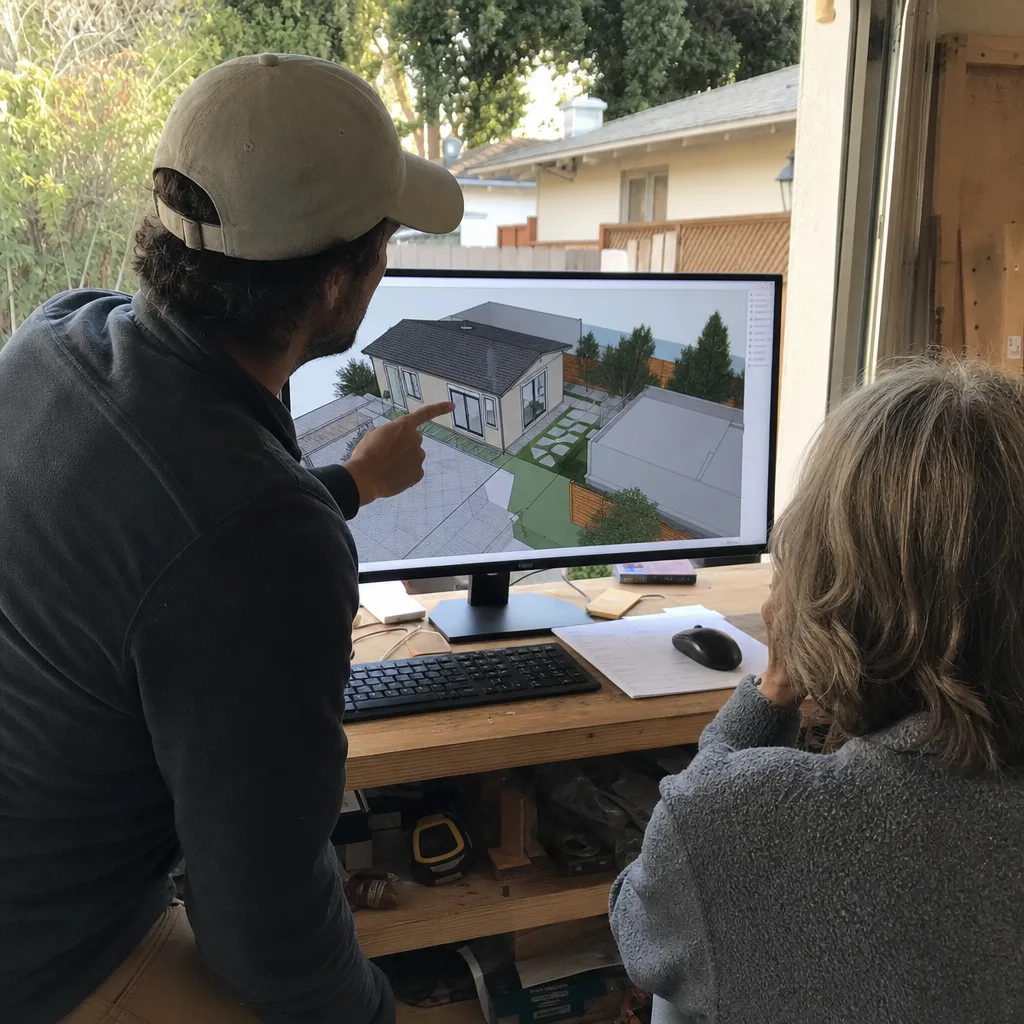
California law does not prohibit owner-builders from performing their own labor. The question is what labor a homeowner can perform competently, safely, and within the inspection schedule that Pasadena Building & Safety enforces.
Tasks that Pasadena homeowners regularly self-perform on ADU projects:
- Interior painting and finish trim - No license required. Best done after final inspection of mechanical systems, before flooring installation.
- Landscaping and hardscaping outside the building footprint - No permit required for work beyond 30 inches deep and not retaining structural loads.
- Cabinet and vanity installation - If pre-fabricated and not modifying plumbing rough-in locations. Pasadena requires a plumbing inspection before enclosure.
- Tile backsplash and non-wet-area flooring - Owner-builder can perform; warranty and workmanship standards apply at resale.
- Window treatments, shelving, and hardware - No regulatory barrier.
Tasks that sound simple but create inspection problems:
- Drywall finishing - Pasadena inspectors check fire-rated assemblies at specific stages. If the homeowner hangs drywall before the insulation or framing inspection, the work must be removed.
- Exterior painting on new construction - Must follow the moisture-content and primer specifications in the approved plans. Deviations can trigger a corrected inspection.
- Electrical device installation - Even installing your own outlets requires a final electrical inspection with the device cover off. Missing this inspection voids the certificate of occupancy.
Pasadena’s inspection schedule is not flexible. The city uses an online scheduling system with 48-hour advance booking, and inspectors will not return for a re-inspection of the same item within 72 hours. An owner-builder who misses a rough-in inspection because they were still installing boxes loses a week of project time. That week costs money in holding costs, especially for homeowners who have taken construction loans with interest clocks running.
In neighborhoods like Bungalow Heaven or the Linda Vista hillside, where access for material deliveries is constrained, the coordination penalty is even steeper. A professional crew with a scheduled inspection slot does not waste a delivery window. An owner-builder often does.
What Requires Licensed Contractors by Pasadena Code
Pasadena adopts the California Building Code with amendments, and the city enforces licensing requirements strictly. The following work must be performed by contractors holding the appropriate California license classification:
| Work Type | Required License | Pasadena-Specific Consideration |
|---|---|---|
| Electrical service upgrade or new subpanel | C-10 Electrical | Pasadena requires SCE (Southern California Edison) coordination; homeowner cannot pull electrical permit without C-10 |
| Gas rough-in or appliance connection | C-36 Plumbing | SoCalGas pressure test required; owner-builder cannot self-certify |
| Structural framing, foundation, or seismic retrofit | B General Building or C-5/C-6 | Pasadena seismic zone D; engineered lateral system required |
| HVAC installation or ductwork | C-20 Warm-Air Heating | Title 24 compliance documentation must match installed equipment |
| Roofing on detached ADU | C-39 Roofing | Fire rating required in Pasadena’s wildland-urban interface zones |
| Sewer lateral or water service connection | A General Engineering or C-36 | Pasadena requires PWP (Pasadena Water and Power) inspection |
The owner-builder permit does not exempt these requirements. It merely allows the homeowner to act as the general contractor who hires these licensees. The homeowner still must verify each subcontractor’s license, bond, and insurance, and the homeowner retains liability if any subcontractor’s work fails inspection.
In our work across Pasadena since 2015, we have encountered owner-builder projects where the C-10 electrician subcontractor abandoned the job mid-project. The homeowner, holding the permit, became responsible for finding a replacement, verifying their license, and ensuring the new electrician would warranty work started by someone else. Most licensed electricians will not. The project stalled for six weeks. This is not an edge case. It is a predictable risk of the owner-builder model.
Our New Detached ADU in Pasadena projects include all of these trades under a single contract with a single warranty. If the electrician’s work conflicts with the framer’s, we resolve it. The homeowner does not become the mediator between licensed professionals who have no contractual relationship with each other.
Real Cost Comparison: Owner-Managed vs. Design-Build in Pasadena
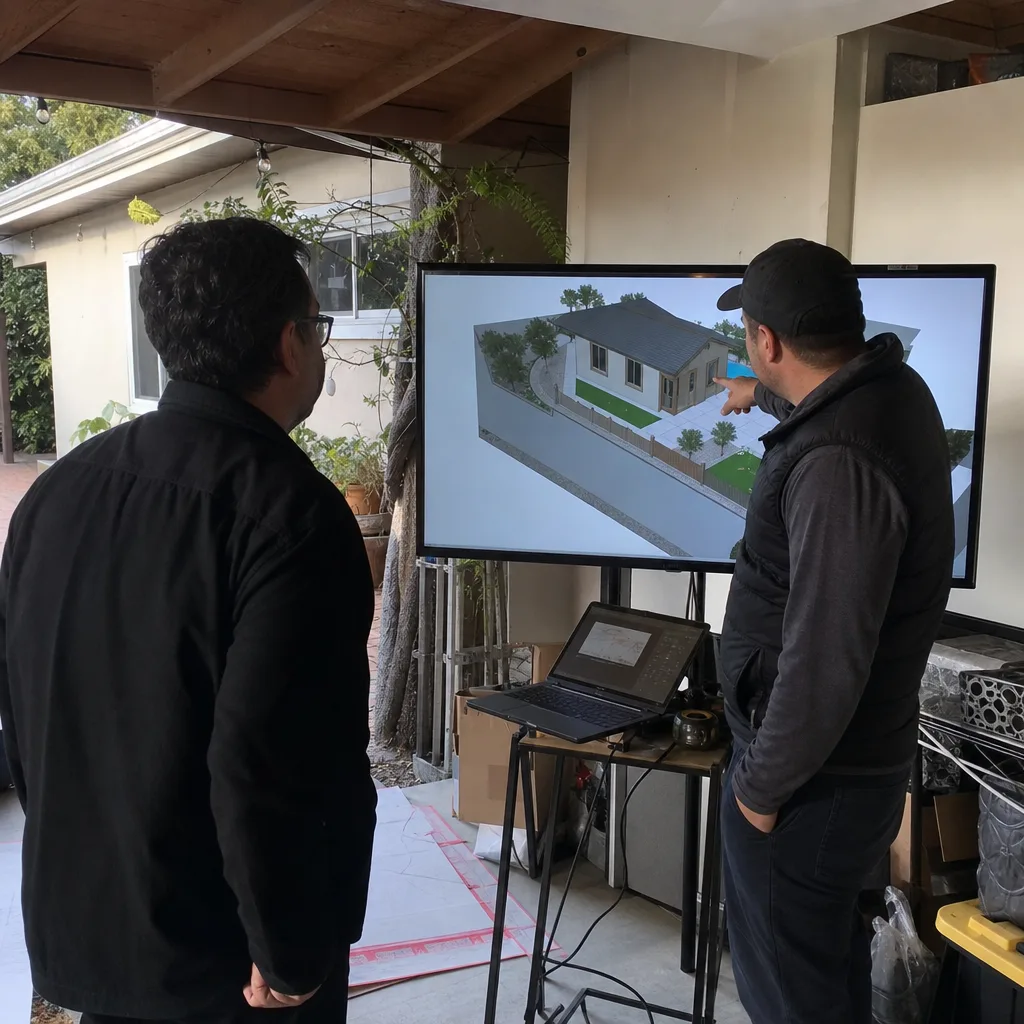
The following compares a 500-square-foot detached ADU in Pasadena, built to permit, with standard finishes. These are 2024-2025 market ranges based on our project history and permit data. Your specific site conditions will move these numbers.
| Cost Category | Owner-Builder (Self-Managed) | Design-Build (Single Contract) |
|---|---|---|
| Architectural plans + revisions | $8,000-$14,000 | Included in contract |
| Structural engineering (wet-stamped) | $3,500-$6,000 | Included in contract |
| Title 24 energy compliance | $1,200-$2,500 | Included in contract |
| MEP design and coordination | $2,500-$4,500 | Included in contract |
| Permit fees (Pasadena) | $4,000-$7,500 | $4,000-$7,500 (pass-through) |
| Site prep and utilities | $15,000-$28,000 | $15,000-$28,000 (in contract) |
| Foundation and slab | $12,000-$20,000 | $12,000-$20,000 (in contract) |
| Framing and structural | $18,000-$28,000 | $18,000-$28,000 (in contract) |
| MEP rough-in and finish | $14,000-$22,000 | $14,000-$22,000 (in contract) |
| Exterior envelope (siding, roofing, windows) | $16,000-$26,000 | $16,000-$26,000 (in contract) |
| Interior finishes | $12,000-$20,000 | $12,000-$20,000 (in contract) |
| Change orders and scope gaps | $8,000-$18,000 (typical) | $0-$3,000 (Haven Standard, Clause 5) |
| Owner time (coordination, inspections, problem-solving) | 400-600 hours | Included in contract |
| Finishing work (owner-performed paint, trim, cabinets) | $2,000-$5,000 materials | $2,000-$5,000 materials (optional deduction) |
| Total All-In Range | $136,200-$221,500+ | $128,000-$198,500 |
The owner-builder total assumes no major errors. It rarely works that way. The change order line is where owner-managed projects hemorrhage money. A gap between the architect’s window schedule and the framer’s rough opening becomes a $3,000 field modification. The MEP designer’s load calculation that didn’t account for the heat pump the homeowner selected triggers a $2,500 electrical panel upgrade. The Title 24 consultant’s original model used default values that don’t match the actual insulation R-value the insulation contractor installed, requiring a resubmission to Pasadena’s plan check with a $1,200 revision fee.
Under Haven Standard, Clause 5 (No Surprises), our scope is locked at contract signing. The price you receive in writing before any work starts is the price you pay, unless you request a change. We have delivered 900+ ADUs since 2015 with this structure. The documented photo record on every visit shows you exactly what was found and what was done, so there is no ambiguity about whether a condition was pre-existing or created during construction.
The owner time cost is real but rarely calculated. At 500 hours of coordination, even at a conservative $50/hour opportunity cost (what the homeowner could earn, or the value of their time), that is $25,000. Most owner-builders in Pasadena are professionals with demanding careers. The 6-12 month construction period becomes a second job they did not apply for.
Permit Liability, Insurance, and Resale Disclosure
This is the section most competitors skip, and it is the most expensive surprise for owner-builders who later sell their Pasadena home.
When you pull an owner-builder permit, that status is recorded on the property’s building history. It does not disappear when the certificate of occupancy issues. In California, you must disclose owner-builder status on the Transfer Disclosure Statement (TDS) when you sell. This is not optional. Failure to disclose is grounds for post-sale litigation.
The disclosure triggers several consequences:
- Buyer scrutiny - Buyers and their inspectors examine owner-builder work more closely. Defects that might pass unnoticed in professionally built work become negotiation points.
- Insurance underwriting - Some homeowner’s insurance carriers surcharge or exclude coverage for owner-builder ADUs, particularly for water damage or structural claims. The underwriter treats the owner-builder as an unlicensed contractor for risk assessment purposes.
- Title attachment - Open or expired permits, failed inspections, or corrections ordered by Pasadena Building & Safety attach to the property title. An owner-builder who misses a final inspection because they were overwhelmed by other tasks leaves a cloud on title that must be cleared before sale.
- Warranty limitations - California’s ten-year structural defect statute (Code of Civil Procedure 337.15) still applies, but proving that a defect existed at construction is harder without a contractor’s documented work. The owner-builder becomes the defendant in any claim.
We have been called to evaluate owner-builder ADUs in Pasadena’s Madison Heights and South Arroyo neighborhoods where the original owner sold, the new owner discovered unpermitted modifications, and the title company required a retroactive permit correction. The cost to open a closed permit, perform corrective work, and re-inspect typically runs $8,000-$15,000. That expense falls on the current owner, who then pursues the previous owner, who may or may not be locatable or solvent.
A design-build contract with a licensed contractor provides a clear chain of warranty and insurance. Our 365-Day Done Right Promise, backed in writing before project start, gives subsequent buyers confidence in the work. The permit history shows a single licensed contractor responsible from foundation to final inspection.
When Partial DIY Actually Makes Financial Sense
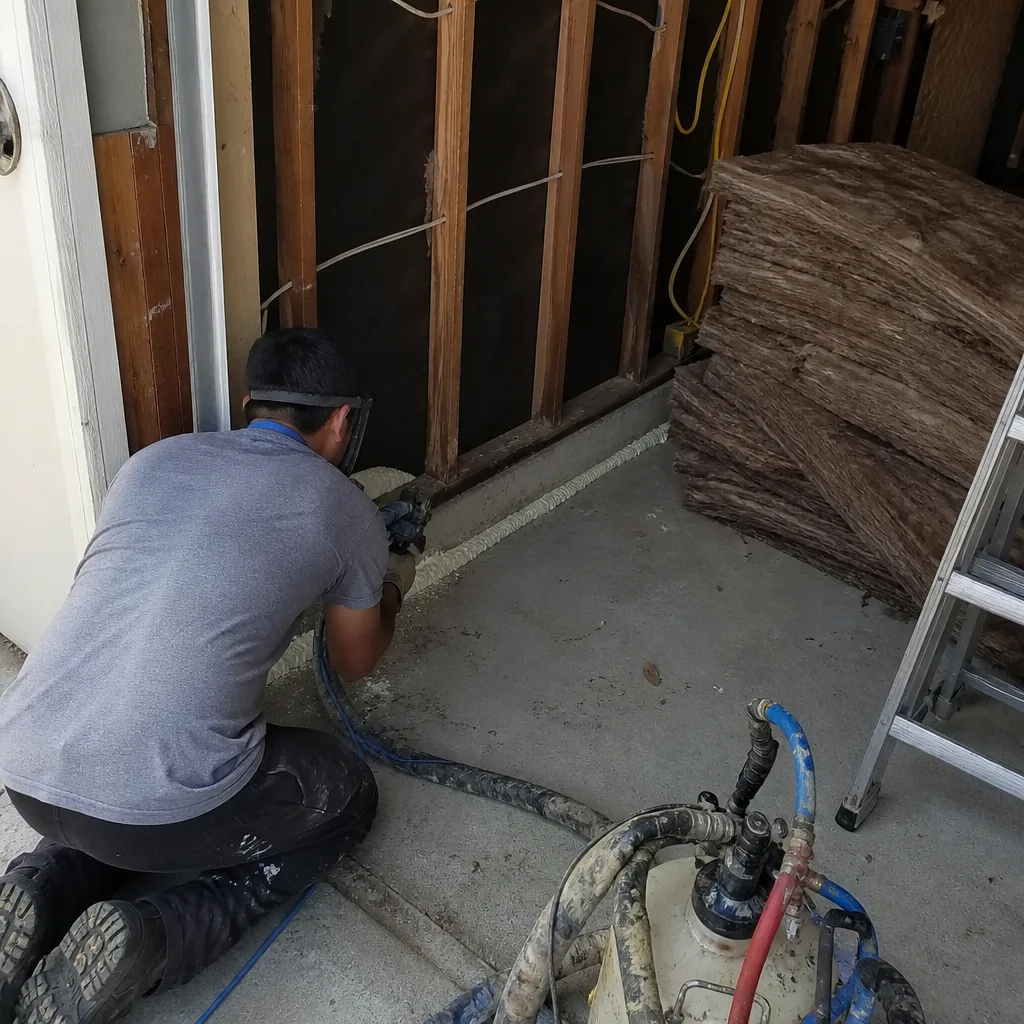
There is one scenario where self-performed work is genuinely cost-effective: finishing the interior of a professionally built, fully permitted, and inspected shell.
This structure works as follows:
- The design-build firm completes foundation, framing, MEP rough-in, insulation, drywall hanging, and exterior finishes through final inspection of all trades.
- The certificate of occupancy is issued, or the project reaches a documented “shell complete” milestone with all rough inspections passed.
- The homeowner takes over for paint, trim carpentry, cabinet installation, flooring, and hardware.
- The homeowner performs this work under the existing permit, as owner-performed labor on a contractor-managed project, not as an owner-builder permit holder.
This preserves the professional warranty on structural, MEP, and weatherproofing systems. The homeowner saves on finish labor costs without assuming the liability of the full permit. The resale disclosure shows licensed contractor responsibility for the critical systems, with owner-performed finish work that is visible, inspectable, and easily evaluated by future buyers.
We have structured this handoff on Garage Conversion ADU in Pasadena projects where the homeowner had woodworking skills and wanted custom built-ins. We completed the shell to CO, then provided a written scope delineation showing exactly where our warranty ended and the homeowner’s work began. The permit file remained clean. The title remained clear.
This is not the same as “DIY ADU.” It is professional construction with owner-finished interiors. The distinction matters for insurance, resale, and your own liability exposure.
For prefab and modular systems, this handoff is sometimes built into the manufacturer’s model. Brands like Plant Prefab and Boxabl deliver a weathered-in shell to your site; local contractors handle foundation, utility connection, and finish. We specify and coordinate these systems within our single contract, so the interface between factory build and site work is our responsibility, not yours. James Hardie siding and Tuff Shed utility structures are other products we integrate into Pasadena projects where the homeowner wants specific material or aesthetic outcomes.
How to Choose a Professional Contract Structure
If you have read this far, you have likely concluded that full owner-builder status is not the right tool for your Pasadena ADU. The remaining question is which professional structure to use.
Three models dominate the Pasadena market:
| Model | Structure | Where Accountability Lives | Typical Pain Point |
|---|---|---|---|
| Architect + separate contractor | Design-bid-build: architect completes plans, owner solicits contractor bids | Split; architect blames contractor for interpretation, contractor blames architect for ambiguity | Change orders from scope gaps; 15-30% cost overrun typical |
| Design-build (separate firms with MOU) | Architect and contractor affiliate but maintain separate contracts with owner | Blurred; each firm can point to the other’s contract | Disputes over where design responsibility ends and construction responsibility begins |
| Single-contract design-build | One firm delivers drawings, permit set, and construction under one written price | Solely with the design-build firm; no blame gap exists | Fewer; requires thorough upfront site evaluation to lock scope |
Ellery ADU Studio Pasadena operates exclusively in the third category. Our ADU Design & Permitting in Pasadena service is not a separate product from our construction service. It is the first phase of a single contract with a single written price. The permit set is the core product because it is the document that governs everything that follows. If the built ADU does not match the permitted drawings, our 365-Day Done Right Promise requires us to correct it at our expense.
Under Haven Standard, Clause 1, every project receives a written price before any work begins. The words “call for a quote” do not appear on any page of our site because they do not describe our process. You receive a line-item scope with fixed pricing. If your site conditions match our evaluation, the price does not change. If unexpected conditions arise (unsuitable soils, buried utilities, undocumented prior construction), we document them with photos, present the finding, and quote the correction before proceeding. Clause 5 locks the scope at signing; no door-side upsells, no scope creep.
When evaluating any professional firm for your Pasadena ADU, request:
- A written price before work starts, with line-item breakdown
- The permit set as a deliverable you can review, not a black-box submission
- A warranty document that specifies duration, coverage, and the process for claims
- Proof of license, bond, and insurance (we display our license number on every page)
- A documented photo record protocol for every site visit
Any firm that cannot provide these in writing is not offering you protection. They are offering you risk dressed in professional language.
Common Mistakes to Avoid
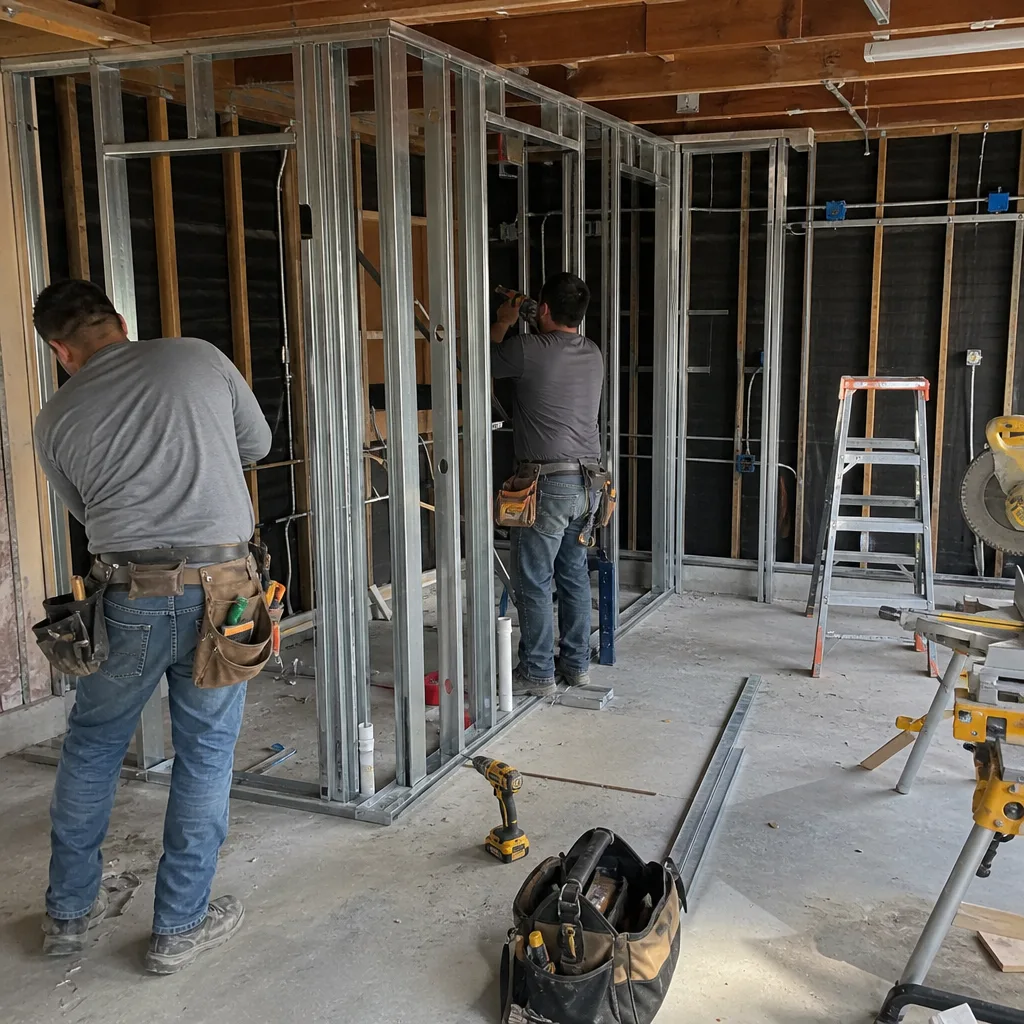
- Assuming owner-builder saves money. In Pasadena’s market, the coordination overhead, change orders, and holding costs typically exceed any labor savings. We have reviewed projects where the owner-builder spent $45,000 more than our written price for equivalent scope.
- Hiring an architect without construction input. Architects in Pasadena produce beautiful drawings that frequently omit constructability details the plan checker requires. Without a builder’s review before permit submission, these become expensive revisions.
- Neglecting the SCE service upgrade. Many Pasadena homes, especially in older neighborhoods like Garfield Heights, have 100-amp service panels. An ADU with electric heat and appliances requires 200 amps. The SCE queue for service upgrades currently runs 8-12 weeks. Owner-builders often discover this after framing starts.
- Skipping the sewer lateral video. Pasadena requires sewer lateral inspection for ADUs with new bathrooms. A failed lateral costs $8,000-$15,000 to replace. Professional firms video the lateral during site evaluation; owner-builders often learn of the failure at rough plumbing inspection.
- Underestimating hillside conditions. Pasadena’s northern neighborhoods, from Linda Vista to Annandale, have expansive soils and slope stability requirements. A standard foundation detail from flatland practice will be rejected. Geotechnical evaluation adds $3,000-$5,000 but prevents $20,000+ foundation corrections.
- Failing to document owner-performed work. If you do perform finish work, photograph every stage. Future buyers and their inspectors will ask for evidence of proper installation. A photo record is your only defense.
When to Call a Professional
Call a professional when the permit application requires a wet-stamped structural drawing. Call a professional when the work affects your property title. Call a professional when the cost of error exceeds the cost of the professional’s fee. In Pasadena, for an ADU, all three conditions apply from day one.
Ellery ADU Studio Pasadena offers free estimates in Pasadena. We also provide a Free Second Opinion on any written estimate you already have in hand. Call (626) 427-9813 to schedule your free estimate. A live person answers calls 24/7 - no voicemail queue, no callback promise that doesn’t materialize.
Frequently Asked Questions
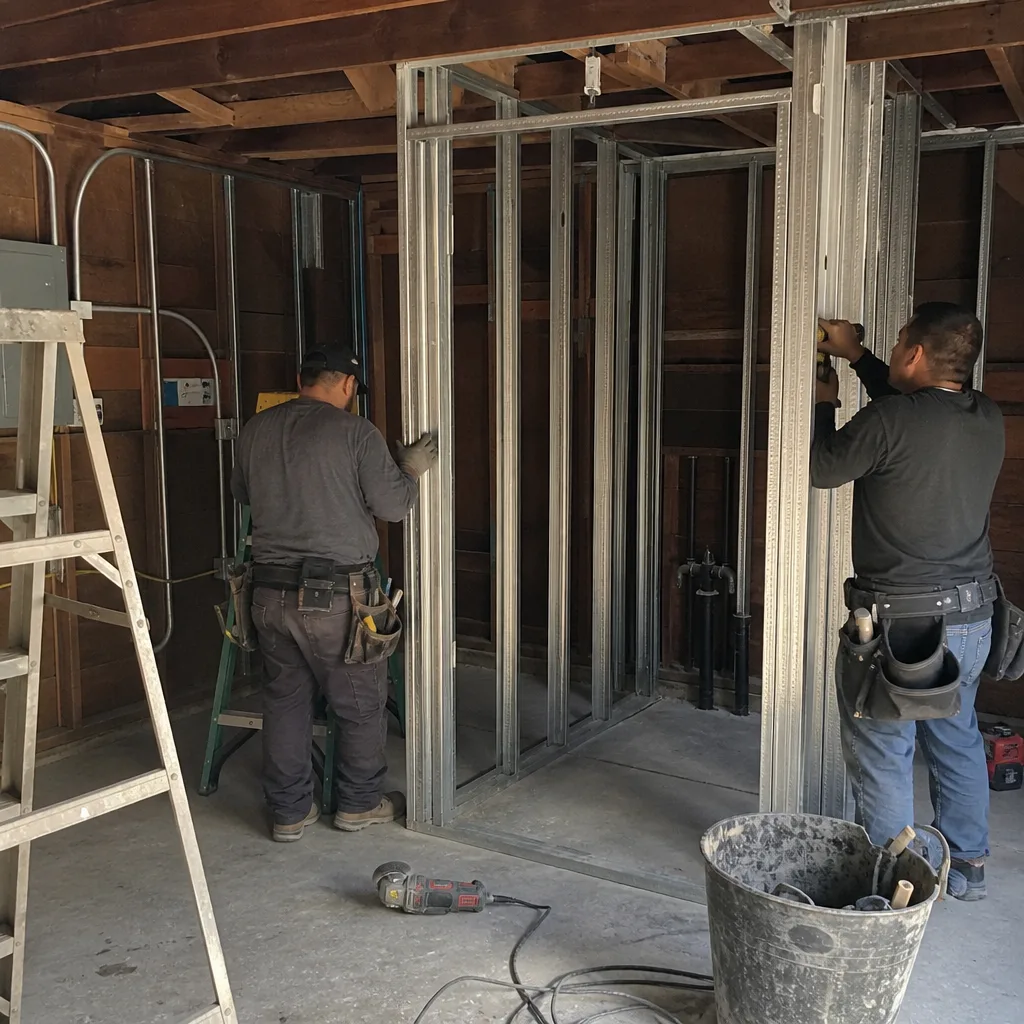
A 500-square-foot detached ADU from a design-build firm in Pasadena typically runs $128,000-$198,500 all-in, including drawings, permits, and construction. Owner-builder projects for equivalent scope average $136,200-$221,500, with change orders and coordination costs pushing many above the professional range. Call (626) 427-9813 for a written price on your specific site - estimates are free.
Yes, under California’s owner-builder exemption, but you must personally supervise all work, hire licensed subcontractors for electrical, plumbing, and structural trades, and accept full liability for defects and injuries. The permit status must be disclosed to every future buyer. In practice, Pasadena’s plan check requirements make true DIY impossible; you will hire professionals regardless.
Some carriers surcharge or exclude coverage for owner-builder ADUs, treating you as an unlicensed contractor for risk purposes. You must disclose the owner-builder status when applying for or renewing coverage. A professionally built ADU with licensed contractor documentation typically receives standard coverage terms.
Yes. California requires disclosure of owner-builder permits on the Transfer Disclosure Statement. Failure to disclose is grounds for post-sale litigation. The disclosure may trigger buyer inspections, insurance reviews, and title complications that delay or derail the sale.
Interior painting, finish trim, cabinet installation, tile backsplash, flooring, landscaping, and hardware are tasks many Pasadena homeowners perform competently. The cost-effective structure is to have a professional firm complete the shell through all rough inspections and certificate of occupancy, then take over finish work. This preserves professional warranties on structural and MEP systems while reducing labor costs.
Request a written contract with line-item scope and fixed pricing before work starts. Ask for the specific clause that governs price changes. At Ellery ADU Studio Pasadena, Haven Standard Clause 1 provides a written price before any work begins, and Clause 5 locks the scope at signing. No firm that will not put this in writing deserves your trust.
The Bottom Line
The DIY versus professional ADU question in Pasadena is a framing error. California law permits owner-builder status, but Pasadena’s code, seismic zone, and inspection process make true DIY impractical and more expensive than professional construction. The real decision is between fragmented professional hiring, with its blame gaps and change orders, and a single-contract design-build model with documented accountability. For the 900+ ADUs we have delivered since 2015, the single-contract approach has produced lower final costs, cleaner permit histories, and stronger resale values. The only scenario where self-work pays is finishing a professionally built shell. For more guides & resources on ADU planning in Pasadena, explore our blog. Everything else is liability you do not need to assume.
Written by Nadia Ellery, Owner at Ellery ADU Studio Pasadena, serving Pasadena since 2015.