
Last updated September 25, 2026
ADU Warning Signs: A Pasadena Homeowner’s Reference Guide
The most expensive ADU mistake in Pasadena is not a bad contractor. It’s a good contractor hired under a contract that makes no one responsible for getting the certificate of occupancy, only for completing construction. We’ve reviewed over 900 ADU projects since 2015, and the failures that cost homeowners $40,000 to $120,000 to fix were almost always foreseeable in the bid documents, the permit submission, or the first three emails. Pasadena’s layered review process - city planning, HPOZ when applicable, and Pasadena Water and Power utility coordination - creates more handoff points where responsibility can disappear. This guide and our Complete Guide to ADU in Pasadena show you exactly what to look for before you sign.
Quick Answer
ADU warning signs fall into five categories: vague bid documents that use allowances instead of specified materials, permit submissions pulled in someone else’s name, mid-construction substitutions made without written change orders, front-loaded payment schedules, and drawings that don’t account for Pasadena’s HPOZ standards or climate zone energy requirements. Spotting these early can save a Pasadena homeowner tens of thousands in rework and delay costs.
Table of Contents
- Bid Document Warning Signs
- Permit Submission Warning Signs
- Mid-Construction Warning Signs
- Financial Warning Signs
- Design Warning Signs Specific to Pasadena
- Communication Pattern Red Flags
- Common Mistakes to Avoid
- When to Call a Professional
- Frequently Asked Questions
Bid Document Warning Signs
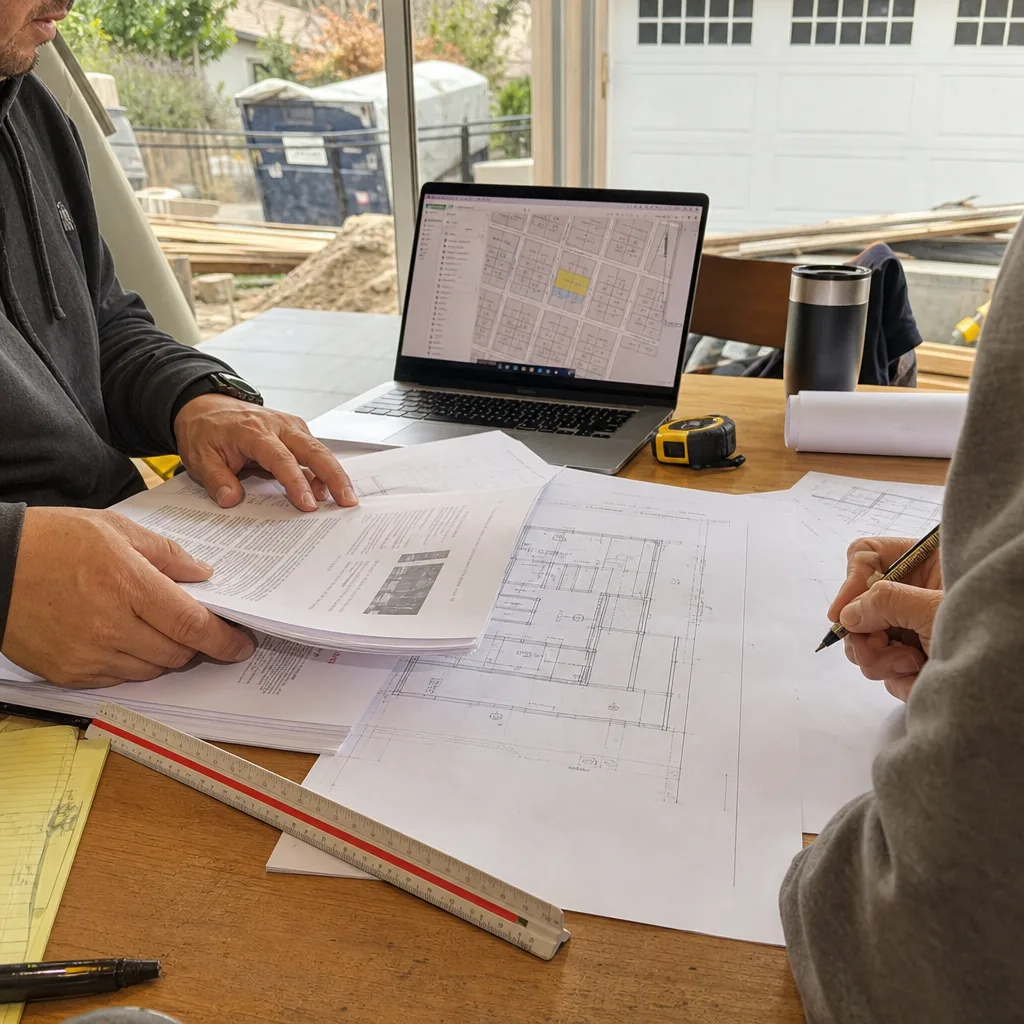
A bid document is a contract waiting to happen. Every ambiguity in it becomes a dispute later. Here’s what we find in the estimates homeowners bring us for a ADU Design & Permitting in Pasadena second opinion.
Vague Scope Language
Watch for phrases like “complete ADU per plans” or “all work as specified.” These mean nothing enforceable. A proper bid lists every system: foundation type and depth, framing lumber grade, insulation R-value by wall and roof assembly, window U-factor and SHGC ratings, HVAC equipment model or performance tier, plumbing fixture count and locations, electrical panel size and circuit count, and finish specifications with manufacturer and product line.
In Pasadena, where HPOZ districts like Bungalow Heaven or Landmark districts require material approval, “match existing” without a sample submission schedule is a gap that can add eight weeks to your project.
Allowances in Place of Specified Materials
An allowance is a placeholder dollar amount, not a product selection. A bid with $8,000 for “kitchen package” or $4,500 for “flooring” tells you nothing about what you’ll actually get. Worse, contractors often set allowances below market cost, then present upgrade options once you’re committed.
Under Haven Standard, Clause 1, every Ellery project is quoted with specified materials or a defined selection tier - never an open allowance that shifts cost risk to the homeowner.
Timeline Without Milestones
“12 weeks” means nothing. A valid construction schedule defines: permit release, foundation completion, framing inspection, rough MEP inspection, insulation inspection, drywall, finish work start, final inspection, and certificate of occupancy. Each milestone ties to a payment draw in a well-structured contract.
Missing Permit Fee Line
Pasadena’s ADU permit fees vary by project size and utility impact. A bid that omits permit fees, or lists them as “TBD - reimbursable,” is transferring an unpredictable cost to you. We’ve seen Pasadena ADU permit and impact fees range from $4,200 for a small garage conversion to over $14,000 for a new detached unit with full utility connections. The bid should state the estimated amount and who pays if it exceeds that estimate.
No Line for Design or Permit Set Preparation
If your contractor’s bid includes no design or drafting line item, they’re either subcontracting it silently or expecting you to deliver plans. Both create a gap. In a design-build model like Ellery ADU Studio Pasadena home, the permit set is the core product, prepared under the same contract as construction. When designer and builder are separate entities, the homeowner sits between them when dimensions don’t match field conditions.
Permit Submission Warning Signs
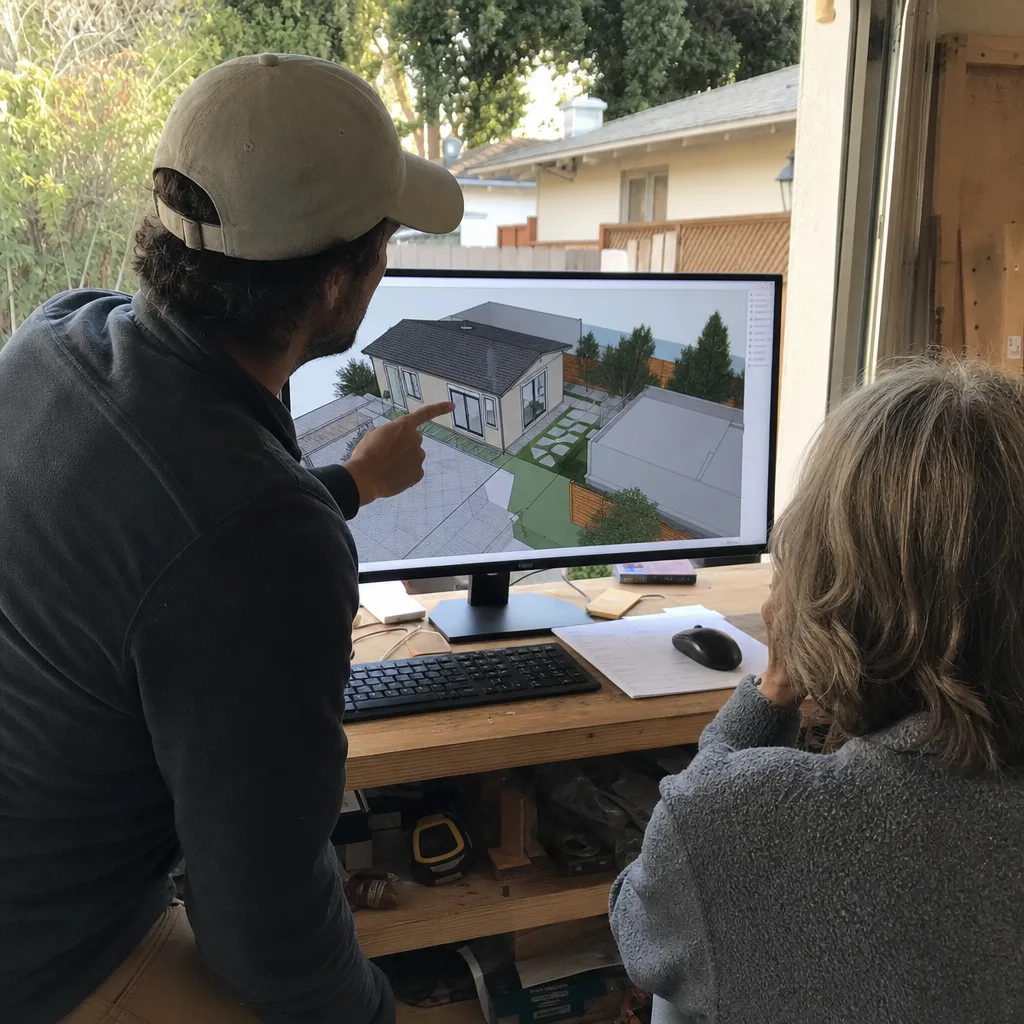
The permit submission reveals whether your project has been properly prepared or hastily assembled. These are the checks we perform on every Garage Conversion ADU in Pasadena before it goes to the city.
Permits Not Pulled in the Contractor’s Name
In California, the permit holder is the party legally responsible for code compliance. If your contractor asks you to pull the permit as “owner-builder,” or pulls it in a different company name than the one on your contract, accountability is fragmented. The CSLB license number on the permit application must match the license number on your contract. Verify it at cslb.ca.gov, and see How to Hire an ADU Contractor in Pasadena: A Step-by-Step Guide for additional vetting steps.
We’ve reviewed projects where the permit was pulled by a now-dissolved LLC, leaving the homeowner with an uninspected foundation and no responsible party.
CSLB License Number Not Produced on Request
Any licensed contractor must provide their license number. Not “I’ll get it to you.” Not “it’s on the truck.” On request, immediately. Write it down and verify: active status, classification matching the work (B-General Building for ADUs), and no current suspensions.
Drawings by Non-Licensed Drafter
California allows non-licensed preparers for certain residential drawings, but Pasadena’s complexity - HPOZ review, hillside grading requirements in areas like San Rafael Heights, utility coordination with Pasadena Water and Power - often requires an architect or civil engineer stamp. Ask who prepared the drawings and whether they’ll be available to answer city corrections. A drafter who disappears after submission leaves you paying for revisions twice.
Incomplete Energy Documentation
Pasadena operates its own energy code enforcement, separate from Title 24 statewide defaults. The permit submission must include a Pasadena-specific energy compliance form, not just a HERS rating. We’ve seen submissions rejected because the energy model used statewide climate zone defaults instead of Pasadena’s specific heating and cooling degree-day data.
Mid-Construction Warning Signs
The construction phase is where small deviations compound. These are the patterns we’ve observed in projects that required intervention.
Inspections Scheduled Without Homeowner Knowledge
You should know every inspection date, what is being inspected, and what standard it must meet. If inspections happen without your awareness, you cannot verify that failures were corrected properly. A failed inspection followed by a same-day “pass” without visible rework is a flag. Request the inspection record from the city; it’s public information.
Substitutions Without Written Change Order
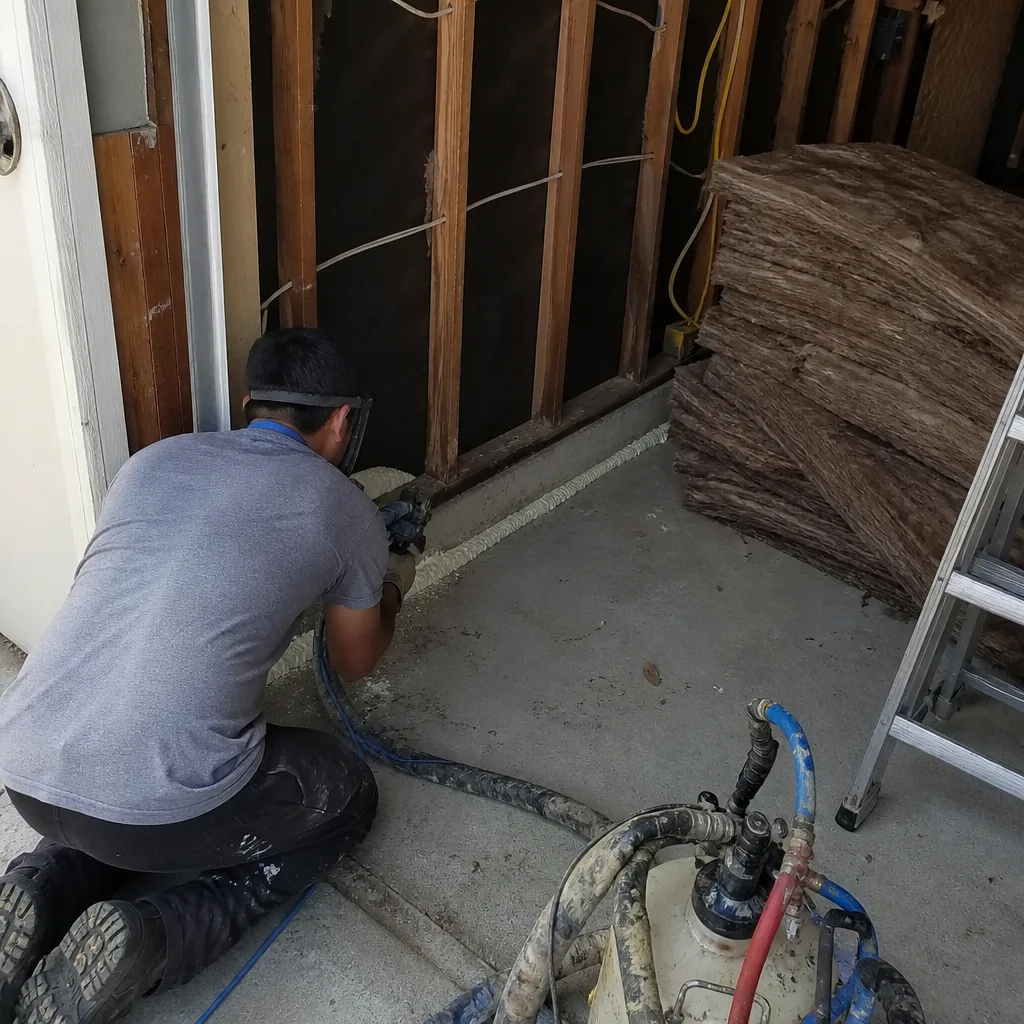
A contractor who swaps materials or methods without a written change order - signed by both parties, with cost and schedule impact stated - is breaching contract. Common substitutions we find: vinyl windows where aluminum-clad wood was specified, R-19 batt insulation where spray foam was drawn, 100-amp electrical service where 200-amp was engineered. Each substitution affects performance, durability, or resale value.
Under Haven Standard, Clause 5 (No Surprises), the scope is locked at signing. Any substitution requires your written approval.
Subcontractors Unfamiliar With Project Scope
Ask the electrician or plumber on site: “What are the fixture locations on this job?” If they reference a different set of plans or seem unaware of the ADU’s specific requirements, your general contractor is not communicating scope. In Pasadena, where garage conversions often require fire separation between units and specific egress window sizing, a subcontractor working from memory or an old version of plans creates code violations that aren’t discovered until final inspection.
Documented Photo Record Absent
Every site visit should produce evidence: photos of conditions found, work completed, and materials installed. If your contractor describes progress without images, or provides only finished photos without “before” documentation, you have no record if disputes arise. Our standard includes a documented photo record on every visit, delivered to the client, not held in a company file.
Financial Warning Signs
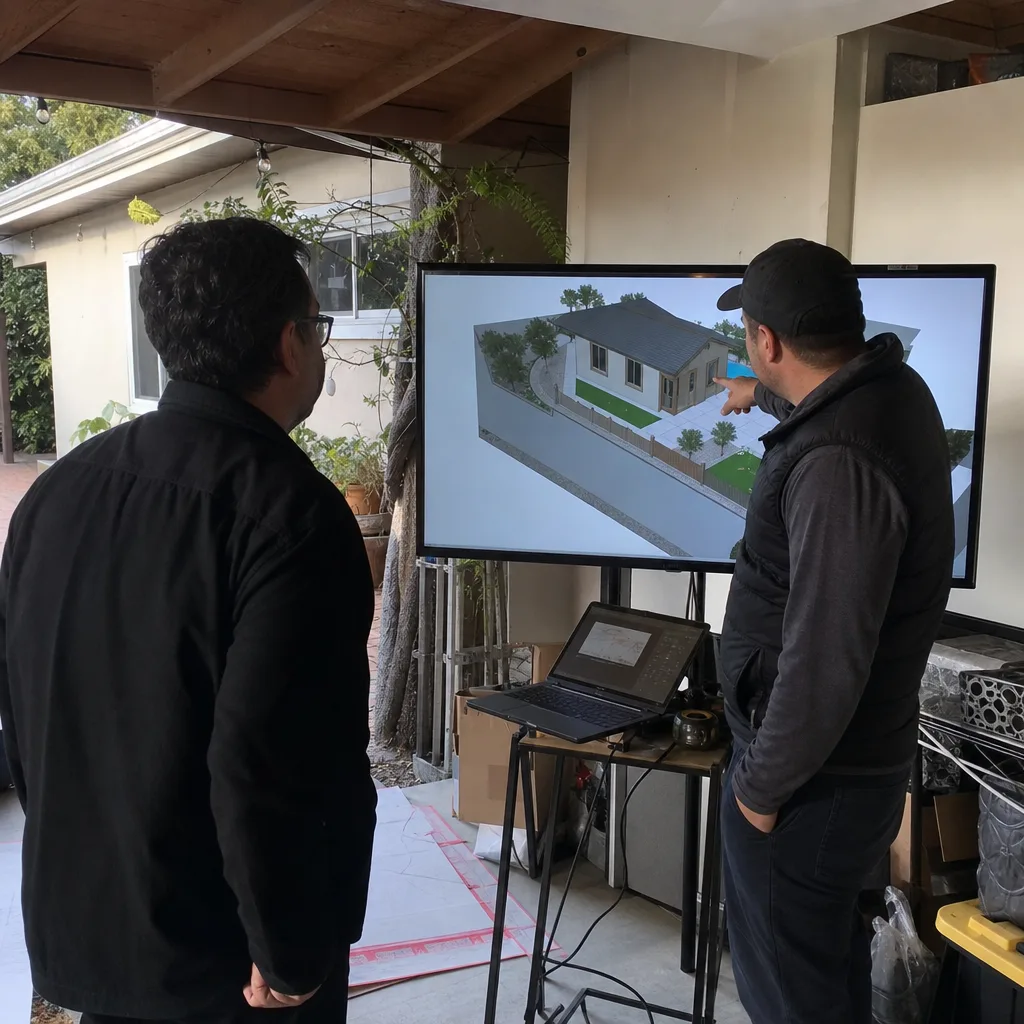
ADU financing is structured to protect both parties. When the structure favors the contractor disproportionately, risk shifts to you.
Requests for Cash Payment
Cash payments leave no paper trail and void most warranty protections. They also suggest the operator is working outside proper licensing or tax reporting. Every payment should be traceable: check, wire, or credit card, with invoice and receipt.
Front-Loaded Draw Schedules
A typical ADU draw schedule ties payments to verified milestones: 10% at contract signing, 25% at foundation completion, 25% at rough inspection, 30% at substantial completion, 10% at certificate of occupancy. Be wary of schedules that take 50% or more before rough inspection, or that define draws by calendar date rather than milestone achievement. A contractor who has most of your money before drywall has little incentive to finish punch list items promptly.
Invoices That Don’t Match Contract Line Items
Compare every invoice to the original contract. Line items should correspond. If “site work” suddenly appears as a separate charge when it was included in the base contract, or if material costs exceed the specified amount without a documented change order, request written explanation before payment. Under Haven Standard, Clause 1, the written price before work starts is the price you pay; no invoice should surprise you.
No Retainage or Final Payment Holdback
Holdback of 5-10% until certificate of occupancy is standard practice. A contract that demands 100% payment before final inspection removes your leverage to ensure completion of outstanding items.
Design Warning Signs Specific to Pasadena
Pasadena’s regulatory environment has layers that generic ADU guidance misses. These are the design-phase failures we correct most often.
HPOZ Design Standards Ignored
Historic Preservation Overlay Zones cover significant portions of Pasadena, including Bungalow Heaven, Prospect Park, and portions of Madison Heights. Drawings that don’t address HPOZ design standards - massing, roof form, window proportions, material palette - will be rejected at planning review. A contractor who says “we’ll handle HPOZ at submittal” without showing you the design response is unprepared. The standards are public; ask to see how your project responds to each criterion.
We’ve specified James Hardie siding products on New Detached ADU in Pasadena projects where HPOZ required specific texture and exposure patterns that matched surrounding historic fabric. Generic “cement board” specifications fail this review.
Statewide Energy Defaults Instead of Pasadena Climate Data
Pasadena’s climate zone has specific heating and cooling requirements. Energy models using statewide defaults overstate heating loads and understate cooling loads for our region. The result: oversized heating equipment, undersized cooling, and comfort complaints that aren’t discovered until occupancy. The permit set must use Pasadena-specific energy compliance documentation, not a generic California Title 24 certificate.
Stormwater Management Omissions
Pasadena has stringent stormwater requirements for new impervious surface. A new detached ADU or large garage conversion that adds roof and driveway area must demonstrate retention, infiltration, or detention. Civil sheets that ignore this, or that assume a simple dry well without soil percolation testing, trigger planning rejection. In the hillside areas above the 210 freeway, this requirement is particularly acute; we’ve seen projects delayed six months for revised civil engineering.
Setback and Height Violations
Pasadena’s ADU ordinance allows specific setbacks and height limits that differ from primary dwelling standards. A design that assumes statewide minimum setbacks without checking Pasadena’s local amendments - or that ignores the separate rules for corner lots, flag lots, or through lots - will fail planning review. Verify that your designer has checked the specific zone, not just “Pasadena ADU rules.”
Utility Coordination Assumptions
Pasadena Water and Power operates independently from Southern California Edison and the Los Angeles Department of Water and Power. Service upgrades, separate metering for ADUs, and gas line extensions require PWP coordination that adds time. A design that assumes standard utility timelines without PWP pre-application consultation is optimistic. We’ve coordinated with PWP on over 200 Pasadena projects; their lead times for service upgrades are currently 8-14 weeks from application to construction release.
Communication Pattern Red Flags
How a contractor communicates before contract signing predicts how they’ll communicate during construction. These patterns correlate with project failure in our experience.
- Vague answers to specific questions. Ask: “What is your process if the city requests a correction?” A competent operator describes their resubmission protocol, typical turnaround time, and whether correction work is included in their fee. An evasive answer suggests they haven’t thought it through or bill separately for every revision.
- No written documentation of verbal promises. If they say “we include all permits” or “we handle everything,” ask where that appears in the contract. Verbal assurances without written backup are unenforceable.
- Pressure to sign before you’re ready. A design-build ADU is a six-figure decision. Reasonable operators provide time for review. Urgency to sign today, or discounts that expire, indicate cash flow problems, not opportunity.
- Unwillingness to provide references for similar Pasadena projects. ADU experience in Riverside or San Bernardino is not Pasadena experience. The HPOZ process, PWP utility coordination, and Pasadena’s specific amendments matter. Ask for three Pasadena ADU completions from the past two years, with permit numbers you can verify.
- No explanation of their warranty or correction process. Ask what happens if an inspection fails after final walkthrough, or if a defect appears at six months. The answer should reference a specific process, not “we stand behind our work.” Our 365-Day Done Right Promise is defined in writing: if the finished ADU is not built to the permitted drawings, we make it right.
Common Mistakes to Avoid
- Hiring a designer and contractor separately without coordination protocol. When dimensions don’t match field conditions, each party blames the other. The homeowner pays for redraws and rework. A single-contract design-build model eliminates this gap.
- Accepting “permit included” without seeing the permit set. We’ve reviewed projects where “permit included” meant a hand-drawn sketch that required $8,000 in architectural revision before the city would accept it. Review the actual permit documents before construction starts.
- Ignoring Pasadena’s HPOZ notification requirements. Properties in or adjacent to HPOZ districts require notification to the HPOZ board before permit issuance, even if the project is exempt from full review. Missing this step adds 4-6 weeks.
- Assuming garage conversions are simpler than they are. Pasadena garage conversions often require fire-rated separation between ADU and remaining garage space, upgraded foundations for habitable use, and compliance with current energy code that the original structure predates. A bid that treats it as “finish the interior” misses these requirements.
- Not verifying that the contractor’s insurance covers ADU work. General liability policies have exclusions. Request a certificate of insurance naming you as additional insured during construction, and confirm the policy covers the project type and value.
- Paying for design before confirming construction feasibility. We’ve seen homeowners spend $6,000 on plans for an ADU that cannot be built due to unbuildable setbacks or utility conflicts. A feasibility analysis should precede full design investment.
- Failing to get the certificate of occupancy in writing as a contract requirement. This is the opening hook, and it’s worth repeating. A contract that defines completion as “construction finished” rather than “certificate of occupancy issued” leaves you with an unrentable, unsellable structure.
When to Call a Professional
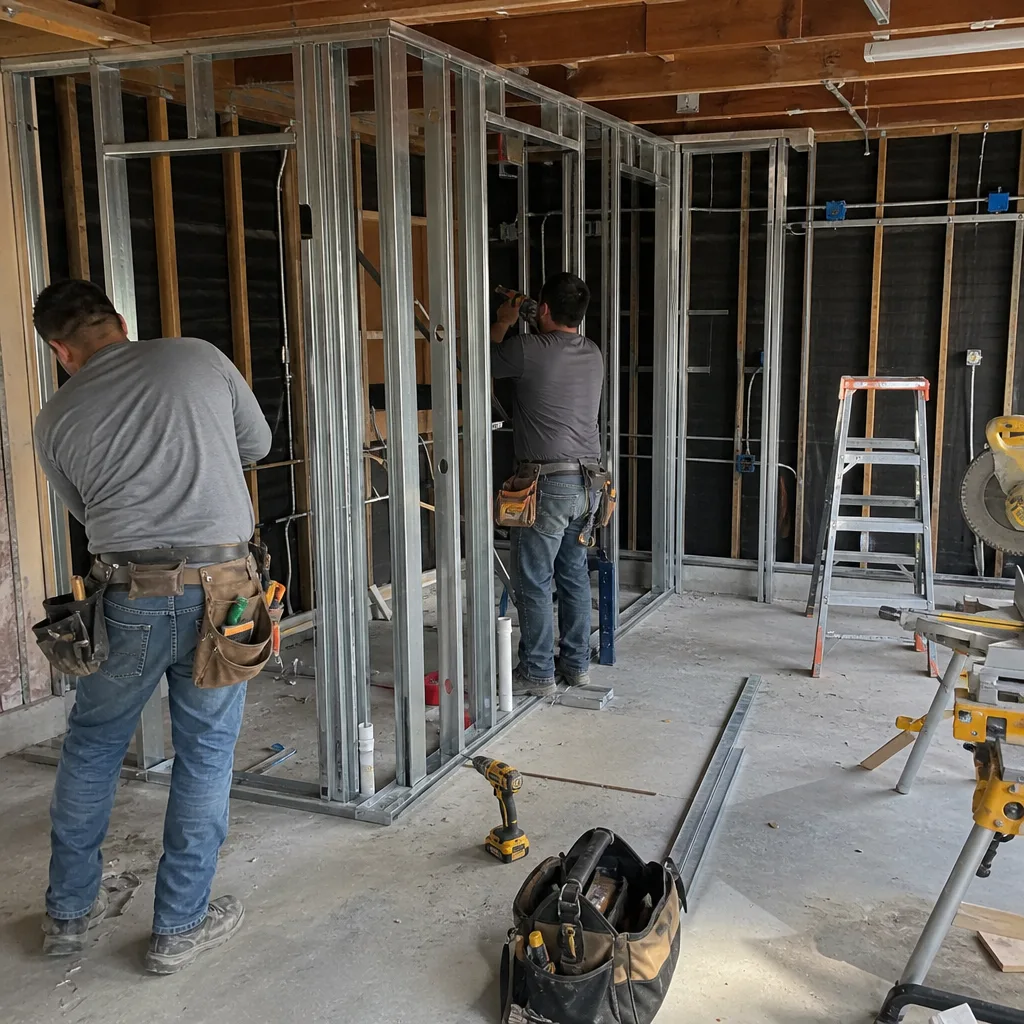
Call for professional review before you sign any contract, if you have an estimate that seems incomplete, or if your current project has hit an inspection failure that isn’t resolving. Our DIY vs Professional ADU: The Pasadena Homeowner’s Decision Guide can help you evaluate whether to proceed alone or with support. The cost of a second opinion is minimal against the cost of a failed project.
Ellery ADU Studio Pasadena offers free estimates in Pasadena - call (626) 427-9813. We also provide a Free Second Opinion on any written estimate already in hand. We’ll review the bid documents, identify gaps or risks, and explain what we find in plain terms. No obligation, no pressure to switch contractors. If the estimate is sound, we’ll tell you that too.
Frequently Asked Questions
Remediation typically runs $40,000 to $120,000, depending on how far the project progressed before failure. Common costs include permit revision and re-submission ($3,000-$8,000), structural or MEP rework to meet code ($15,000-$50,000), and extended financing or carrying costs during delay. The earlier you catch warning signs, the lower the remediation cost. Call (626) 427-9813 for an exact assessment of your situation - estimates are free.
Under a properly structured contract, no. Under Haven Standard, Clause 1, the written price before work starts is fixed. Changes only occur if you request a modification, documented in a written change order with cost and schedule impact stated. Be wary of contracts with open-ended “cost plus” language or undefined allowances that shift price risk to you.
Yes. We pull permits in our own CSLB-licensed name, and the license number appears on every page of our documentation. The permit holder is the party legally responsible for code compliance, and we maintain that responsibility through certificate of occupancy. You can verify our license status at any time at cslb.ca.gov.
Streamlined ADU applications in Pasadena typically take 60-90 days for planning and building review, assuming complete submittal and no HPOZ involvement. HPOZ-adjacent or hillside projects add 30-60 days. Incomplete energy documentation or civil sheets that don’t address stormwater requirements are the most common causes of delay. Our permit set preparation includes pre-submittal review against Pasadena’s current checklists to minimize correction cycles.
Verify the CSLB license number and classification. Request three Pasadena ADU references with permit numbers you can verify. Review the complete permit set before signing. Confirm that certificate of occupancy is defined as contract completion. Check that the bid specifies materials, not allowances. Ask who pulls permits and in what name. These checks take two hours and can save months of delay.
Yes, with proper specification and coordination. We’ve integrated systems from Plant Prefab, Tuff Shed, and Abodu within our single-contract design-build model. Prefab units still require Pasadena-specific foundation design, utility connection, and permit compliance. The manufacturer provides the module; we provide the site-specific engineering, permitting, and installation coordination. A contractor who treats prefab as “drop and connect” without addressing these elements is oversimplifying.
The Bottom Line
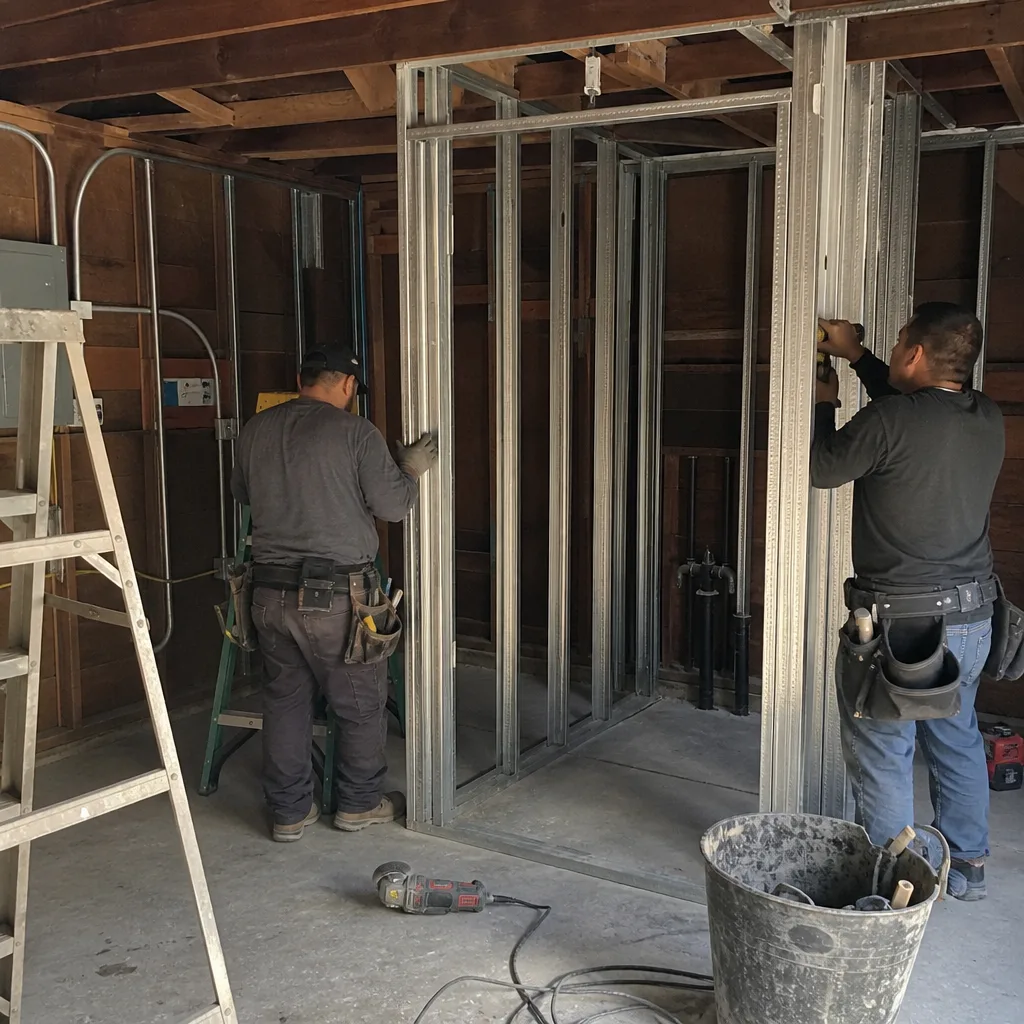
ADU failure in Pasadena is rarely sudden. It’s visible in bid documents that use allowances instead of specifications, in permit submissions pulled in the wrong name, in mid-construction substitutions without written approval, in payment schedules that front-load risk, and in drawings that ignore HPOZ standards or Pasadena’s climate-specific energy requirements. The homeowners who avoid these failures are the ones who read the documents before signing, verify credentials independently, and define completion as certificate of occupancy, not construction end. If you’re reviewing an estimate or evaluating a project that’s showing warning signs, a second opinion costs nothing and can save tens of thousands. Explore more guides & resources to protect your investment.
Call (626) 427-9813 to schedule your free estimate or Free Second Opinion on any written estimate already in hand.
Written by Nadia Ellery, Owner at Ellery ADU Studio Pasadena, serving Pasadena since 2015.