
Abodu New Detached ADU: The Pasadena Owner’s Guide
Abodu-compatible new detached ADU systems in Pasadena typically run $285,000-$420,000 all-in, including the Abodu unit, foundation, utility tie-ins, and permit set through final inspection. Most Abodu One and Abodu Two models we coordinate arrive on-site within 8-14 weeks of permit approval, with utility connections and finish work completed in 3-5 weeks after that. Pasadena’s 2024 ADU ordinance updates and hillside grading requirements in neighborhoods like Linda Vista and San Rafael often add $15,000-$35,000 to site prep compared to flat-lot installations in Alhambra or Arcadia.
Owners usually discover something’s off during the pre-delivery site walk or the first seasonal temperature swing: a foundation stem wall that doesn’t match the Abodu subframe spec, a sewer lateral that can’t handle the unit’s flow rate, or a electrical service panel that needs upgrading from 100A to 200A to support the unit’s heat pump and induction cooktop. These aren’t Abodu manufacturing defects - they’re coordination gaps between the factory module and the Pasadena-specific site conditions that weren’t caught in the permit set.
Which Abodu Models This Applies To
We specify and coordinate Abodu systems across the full current lineup: the Abodu One (500 sq ft, studio/1-bedroom), Abodu Two (750 sq ft, 2-bedroom), and the newer Abodu Duo configurations. Each ships with a factory-provided structural subframe designed for a 4-inch nominal slab with 3,000 psi concrete and #4 rebar at 18 inches on center - but Pasadena’s hillside zones often require engineered pier-and-grade-beam foundations that the factory subframe won’t bolt to without a custom transition detail.
Here’s how to identify what you’ve got: the Abodu serial plate lives on the utility chase exterior wall, upper right corner, and lists the model series, production date, and electrical load sheet. The foundation plan reference number should match your approved Pasadena permit set - if it doesn’t, that’s your first red flag. We also see confusion between the standard Abodu utility package (120/240V split-phase, 60A subpanel) and the upgraded package required for Pasadena’s Title 24 all-electric compliance, which needs a 90A feeder and a larger main panel upgrade.
On OEM versus site-fabricated solutions: Abodu supplies factory-cut window and door bucks, but the exterior finish transitions - where the module meets the site-built deck or the foundation waterproofing - are field-adapted. We document every transition in the permit set before the unit ships, because retro-fitting after delivery means crane costs and weather delays.
Signs Your Abodu New Detached ADU Project Is Off Track
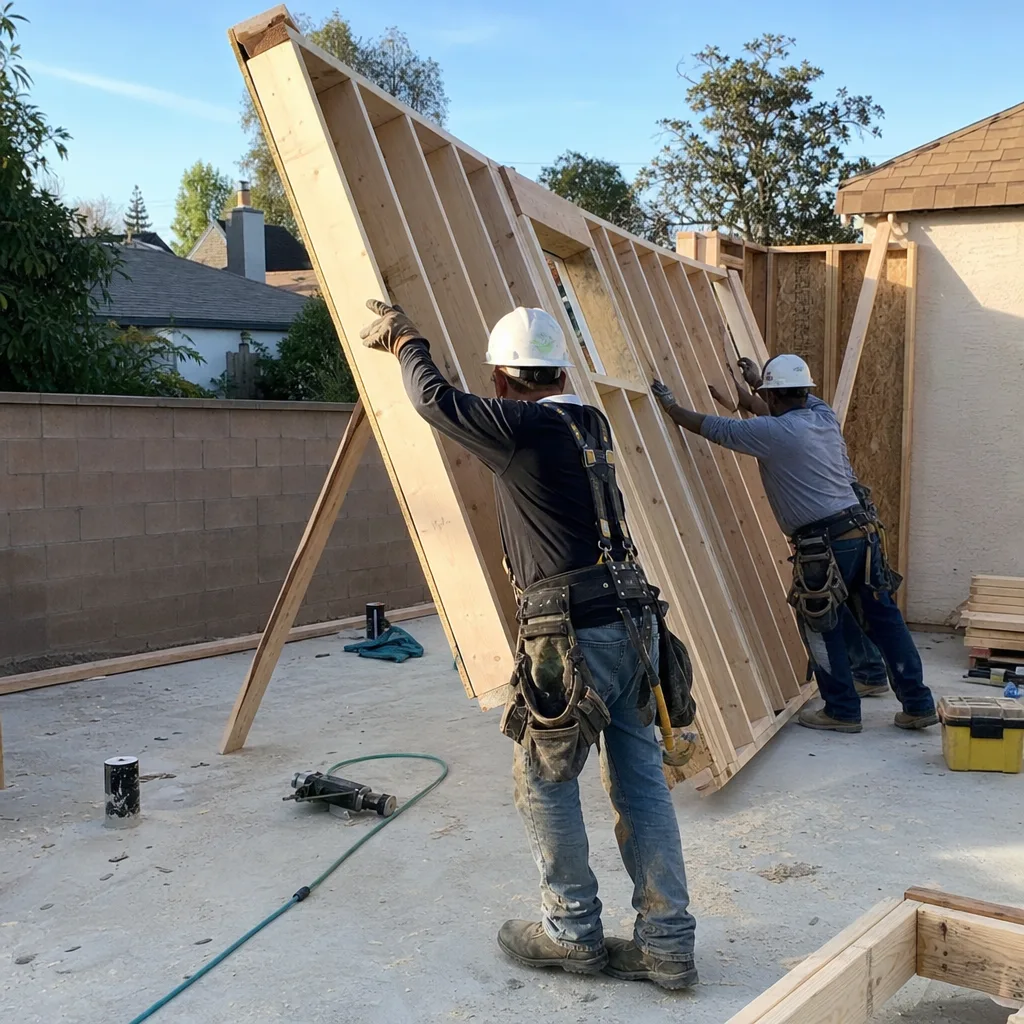
- Foundation bolts don’t align with the Abodu subframe. The factory drills holes on a 24-inch grid; your Pasadena soils report may require a 32-inch pier spacing for liquefaction zones. We catch this in the permit set, not on delivery day.
- Utility trenches are open but the sewer lateral is too shallow. Pasadena requires 18-inch minimum cover for sewer laterals in the public right-of-way; Abodu’s standard plumbing chase exits at 12 inches. The transition needs a site-engineered drop fitting that isn’t in the factory drawings.
- Electrical rough-in fails inspection because the panel schedule doesn’t match. Abodu’s load sheet assumes a 200A main service; many Pasadena bungalows built 1920-1950 still run 100A. The permit set must specify the service upgrade, or the inspector will red-tag the connection.
- Roof drainage pools against the module wall. Abodu’s flat roof ships with internal gutters, but Pasadena’s 6-inch-per-hour rain events overwhelm them without a site-built scupper and downspout detail that the factory doesn’t provide.
- Windows fog between panes within the first winter. This is usually a shipping or installation issue, not a factory defect. Abodu uses Cardinal LoE-366 glass; if the module flexed during crane set on a windy Pasadena afternoon, the seal can fail. We photograph every unit at delivery for this reason.
Replacement Cost & What’s Included
In Pasadena, coordinating a new detached Abodu ADU from permit to occupancy typically runs:
| Component | Typical Range |
|---|---|
| Abodu unit (One/Two/Duo) | $165,000-$265,000 |
| Foundation & site prep, flat lot | $35,000-$55,000 |
| Foundation & site prep, hillside | $55,000-$95,000 |
| Utility connections (electrical, sewer, water) | $25,000-$45,000 |
| Permit set, Pasadena DSD fees, school fees | $18,000-$28,000 |
| Deck, stairs, site-built transitions | $15,000-$35,000 |
| Total typical range | $285,000-$420,000 |
What drives the spread: hillside grading and retaining walls add 20-40% in Linda Vista, San Rafael, and Chapman Woods; flat lots in Madison Heights or Bungalow Heaven trend lower. Every project gets a written price before any work starts, per Haven Standard Clause 1. No change orders unless you add scope in writing. The 365-Day Done Right Promise covers any discrepancy between the permitted drawings and the finished ADU - in writing, before we break ground.
DIY or Call Us?
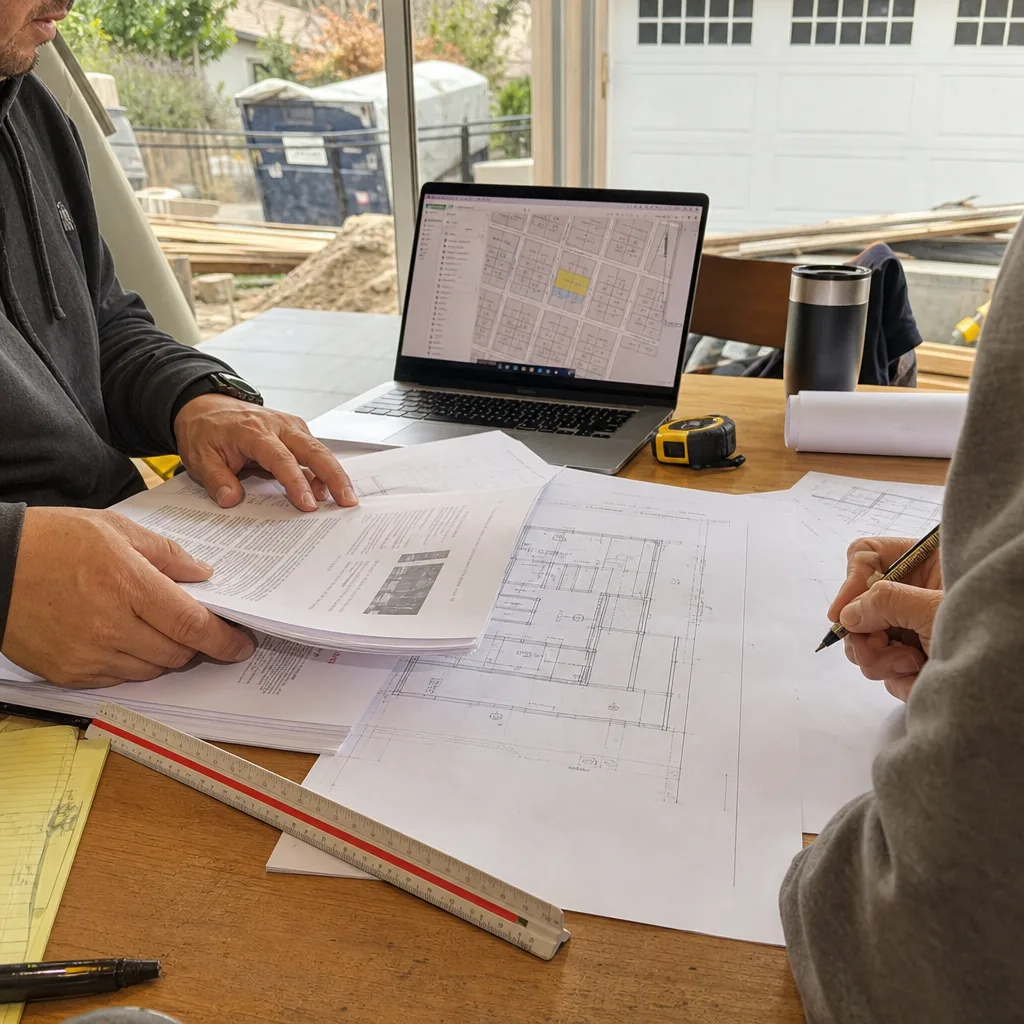
There’s honest work an owner can do: confirm your Abodu serial number against the permit set, photograph the foundation before backfill, and keep a log of every utility mark-out. What goes wrong fast: attempting to modify the factory structural subframe (voids the Abodu warranty), pulling your own electrical permit without a C-10 contractor (Pasadena DSD will reject it), or pouring a slab without the soils report-specified vapor barrier (we’ve seen three units in the last two years with slab moisture wicking into the flooring).
The Abodu module arrives crane-set and weather-tight. Everything before that moment - foundation, utilities, permit - is site-specific construction work that Pasadena inspects to California Building Code Chapter 12 and local amendments. If your project is already in motion and something doesn’t match, call (626) 427-9813. We’ll look at your permit set and give you a free second opinion on where the gap is.
FAQs
Abodu units are engineered for a 50-year structural lifespan, but the factory warranty covers manufacturing defects for 10 years. In Pasadena’s combination of intense summer UV and winter moisture cycles, the exterior finish transitions - where site-built meets factory-built - need inspection at year 5 and year 10. The module itself ages slower than the connections.
Sometimes. If the bolt pattern is off by less than 2 inches, a structural engineer can specify a welded transition plate - roughly $3,500-$6,000 in Pasadena, including the engineer’s stamp and inspector sign-off. If the slab elevation is wrong or the concrete strength is below 3,000 psi, replacement is the only code-compliant path. Call (626) 427-9813 and we’ll review your geotechnical report.
Permit approval in Pasadena currently runs 4-6 months for a straightforward detached ADU, longer if you’re in a hillside zone or a historic district requiring HPC review. Abodu production is 8-14 weeks after permit. Site prep and utility work overlap with production; crane set to final inspection is typically 3-5 weeks. Name the number, document the scope, then build it - in that order.
We don’t stock factory Abodu modules - those ship direct from the factory - but we maintain a library of Pasadena-specific transition details, from foundation bolt patterns for hillside piers to electrical service upgrade specifications that Pasadena DSD has already approved. Every detail is named in your permit set before the order goes to Abodu. Call (626) 427-9813 to schedule your free estimate.
Written by Nadia Ellery, Owner, Ellery ADU Studio Pasadena at Ellery ADU Studio Pasadena, serving Pasadena and nearby areas.